Johnson & Johnson MedTech
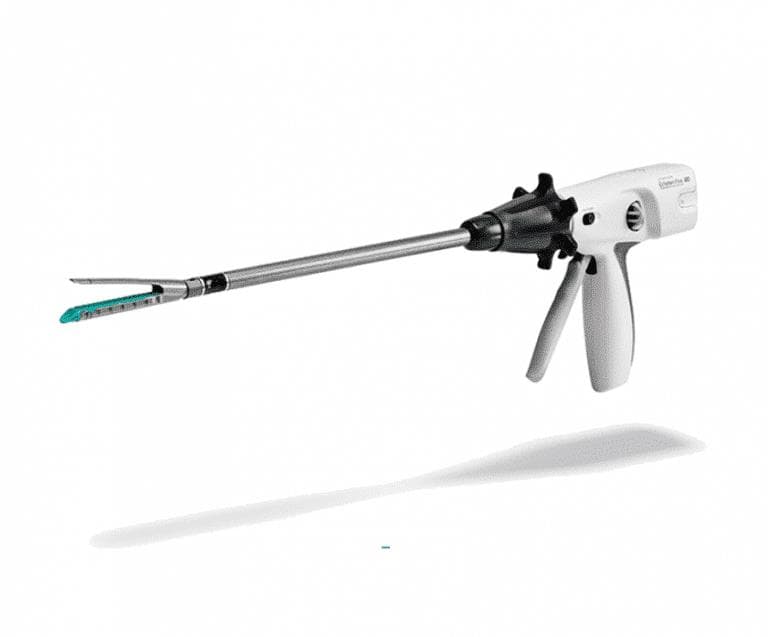
Human Factors Engineering for Surgical Devices
Executive Summary
Context
Human factors analysis for surgical device with innovative feature requiring risk assessment.
Constraints
Multiple user groups (surgeon, scrub nurse, circulator), regulatory compliance (IEC 62366-1, FDA).
My Role
Led task analysis, PCA root cause analysis, and FMEA risk assessment with cross-functional teams.
Outcome
Surfaced a highest-severity use error; finding triggered a Formative IFA Study and a packaging-instruction redesign.
Role
Human Factors Engineer Co-op
Duration
January - June 2024
Location
Cincinnati, OH
Overview
At Johnson & Johnson MedTech, I worked on the human factors program for a surgical device with an innovative feature—running task analysis, PCA root cause analysis, and FMEA risk assessment alongside senior human factors engineers, and carrying the findings into cross-functional risk reviews with regulatory, clinical, and design teams. The risk I surfaced changed the program's study plan.
The Challenge
The project focused on a surgical device with an innovative feature. The challenge was to identify critical tasks and potential use errors associated with the new feature—particularly for users who might be unfamiliar with it. The device was used by multiple user groups in the surgical environment:
- Circulatory Nurse (Non-Sterile Role) — handles device preparation
- Scrub Nurse (Sterile Role) — assists during procedure
- Surgeon (Sterile Role) — primary device operator
Each user group interacted with the device differently, creating multiple potential points of failure that needed to be analyzed and mitigated.
My Process
The analysis moved from high-level task decomposition to specific, prioritized risk identification:
Break down device use into discrete steps
Understand each role's interaction
Map the complete use sequence
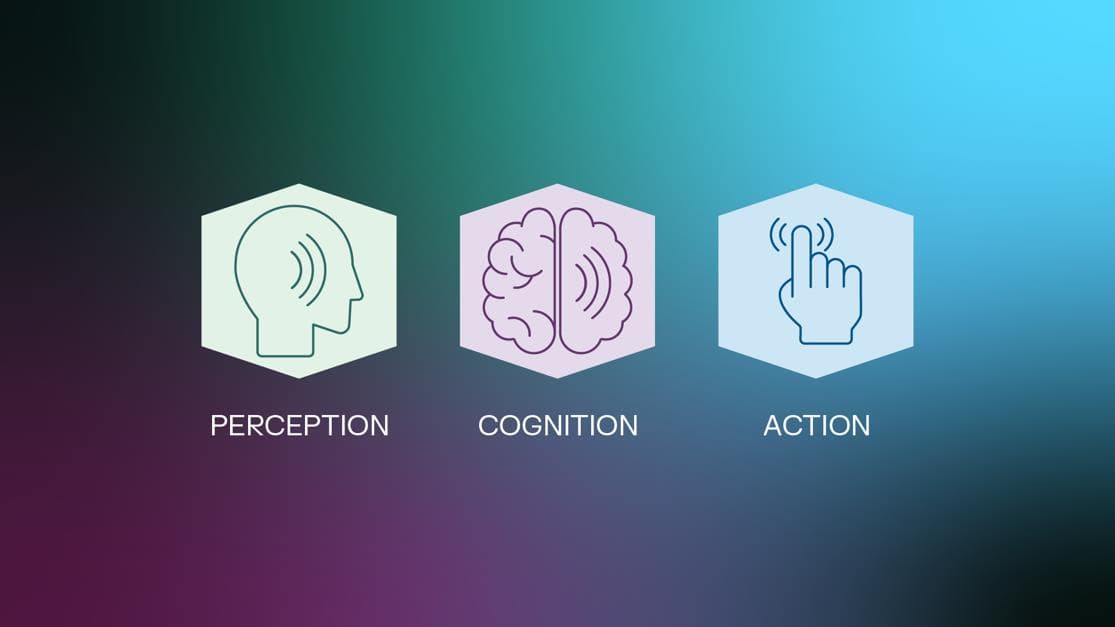
Perception, Cognition, Action root cause
Failure Mode and Effects Analysis
Align on risk prioritization
PCA Analysis: Finding the Root Cause
PCA (Perception, Cognitive, Action) analysis is a method for determining why a use error occurs. I worked through every step in the task workflow to classify potential errors:
- Perception: Did the user fail to notice something? (e.g., didn't see a visual indicator)
- Cognition: Did the user misunderstand? (e.g., didn't recognize the feature's importance)
- Action: Did the user make a physical error? (e.g., incorrect grip or motion)
Finding: Users did not perceive the innovative feature as important—a perception-level issue that informed our mitigation strategy.
FMEA: Quantifying Risk
In the Failure Mode and Effects Analysis (FMEA), I focused on identifying failure modes with the highest severity ratings—the risks most capable of harming a patient—scoring each across:
- Severity (S): Impact of the failure if it occurs
- Probability (P): Likelihood of the failure occurring
- Detectability (D): How easily the failure can be detected before harm
Cross-Functional Collaboration
I brought the analysis into risk reviews with risk management specialists, surgical consultants, human factors engineers, and regulatory specialists. These sessions prioritized the most critical risks and shaped mitigation strategies that balanced user safety, regulatory requirements, and practical constraints.

Cross-functional collaboration sessions aligned diverse perspectives on risk mitigation
Outcome
Key Result
The task analysis surfaced a use-related risk rated at the highest severity level: a nurse accidentally removing the device's new feature due to unfamiliarity—an error that would reach the patient. The finding changed the program's plan, triggering a Formative IFA (Information for Use) Study to redesign the packaging instructions before the risk could reach the field.
Additional Contributions
Beyond the device program, I worked on gap analyses of Usability Engineering Plans against new FDA guidance and IEC 62366-1 across business units, and independently redesigned a UEP map in Figma—using my design background to make regulatory documentation easier for cross-functional teams to navigate.
What I Learned
- Root cause determines the fix—PCA analysis showed that knowing why an error happens (perception vs. cognition vs. action) decides which mitigation can actually work
- Risk decisions are cross-disciplinary—regulatory, clinical, and design perspectives all constrain what a viable mitigation looks like
- The highest-severity risks are often the quietest—the critical finding here wasn't a dramatic failure, but a feature users simply didn't perceive as important
Methods & Standards Applied
Research Methods
- • Task Analysis & Decomposition
- • PCA (Perception, Cognitive, Action) Analysis
- • FMEA (Failure Mode and Effects Analysis)
- • Workflow Mapping
- • Gap Analysis
Regulatory Standards
- • IEC 62366-1 (Usability Engineering)
- • FDA Human Factors Guidance
- • ISO 14971 (Risk Management)
- • ANSI/AAMI HE75